The journey that transformed how I live, lead, and understand well-being.
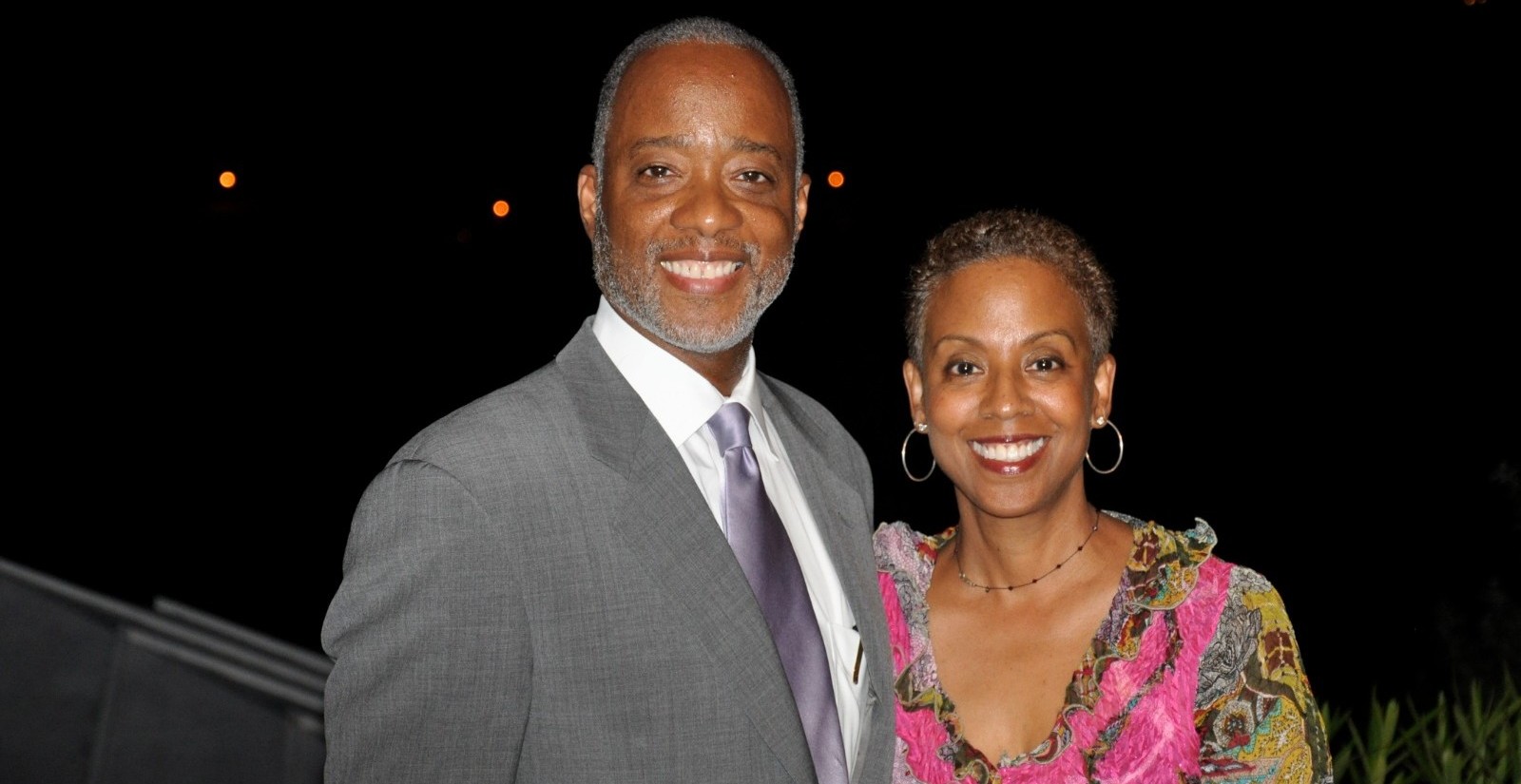
By Dr. Thulani DeMarsay
I’m Thulani DeMarsay, an organizational development consultant, leadership facilitator, author, and contemplative practitioner. For more than three decades, I’ve worked with leaders and organizations across the United States and Africa, helping them navigate change, strengthen relationships, and create healthier, more resilient organizations.
My work brings together leadership development, contemplative practice, organizational transformation, and human well-being. I believe that how we lead is deeply connected to how we live, and that our capacity to lead others begins with our willingness to cultivate awareness, care for ourselves, and attend to our own emotional, psychological, physical, and spiritual well-being.
This philosophy is not simply something I’ve studied. It emerged from my own life experience.
My Journey into Mindfulness and Contemplative Practice
In 1997, I was diagnosed with fibromyalgia and chronic fatigue syndrome. I was experiencing a range of debilitating symptoms, including persistent fatigue, anxiety, brain fog, and difficulty concentrating. Despite consulting with some of Boston’s leading physicians over the course of several years, I struggled to find lasting relief or fully understand what was happening to my body.
Eventually, I was referred to the Marino Center for Progressive Medicine in Cambridge, Massachusetts. It was there that I began to understand the relationship between chronic stress, inadequate sleep, and my physical and emotional well-being.
That experience marked a turning point in my life.
I participated in an eight-week mindfulness-based stress reduction program with Dr. Jon Kabat-Zinn, whose work introduced me to a different way of understanding and relating to stress, pain, and the challenges of everyday life.
The experience changed my life.
For the first time, I began to recognize that healing involved more than addressing physical symptoms. It also required examining how I was living, responding to stress, caring for my body, and relating to my own thoughts and emotions.
My healing journey was not linear. There were setbacks, difficult periods, and moments when progress seemed elusive. I gradually came to understand that I needed more than occasional relief from symptoms. I needed to cultivate new practices, habits, and ways of being that could support my health over time.
Mindfulness and contemplative practice became essential companions on that journey.
I became increasingly interested in the emerging science of mindfulness, particularly research exploring how contemplative practices influence the brain, attention, emotional regulation, and our responses to stress. Understanding that the brain can change through experience and intentional practice deepened my commitment to caring for my cognitive and emotional health.
What began as a personal search for healing gradually became a lifelong exploration of consciousness, human development, resilience, and transformation.
It also fundamentally changed how I approached my work with leaders and organizations.
I began asking different questions: How do leaders sustain themselves amid chronic stress and uncertainty? What role does self-awareness play in leadership effectiveness? How might contemplative practices help us respond more wisely to complexity, conflict, and change?
These questions would eventually shape my doctoral research and become central to my approach to contemplative leadership.
Research and Scholarship
I earned my PhD in Human Development, with a concentration in Media, Technology, and Innovation, from Fielding Graduate University.
My dissertation explored contemplative leadership and the role of reflective practices, including mindfulness, meditation, silence, yoga, and other contemplative disciplines, in cultivating resilience and supporting leaders during periods of uncertainty and disruption.
My research examined the relationship between contemplative practice and leadership capacities such as self-awareness, emotional regulation, discernment, and decision-making, as well as the implications for individual and organizational well-being.
This work brought together two dimensions of my life that had become increasingly interconnected: my professional experience in organizational development and my personal commitment to contemplative practice.
My doctoral studies also deepened my interest in how technology, media, and innovation can support organizational learning, expand access to resources, and advance institutional and community missions.
Today, I continue to explore the intersection of contemplative wisdom, neuroscience, leadership, and human flourishing, with particular attention to how leaders can navigate uncertainty while sustaining their own well-being and that of the people they serve.
My Entrepreneurial Journey
Entrepreneurship has been an important part of my professional life.
Before launching my consulting practice in 1998, I owned and operated Thulani Skin Care & Spa, first on Boston’s Newbury Street and later at Copley Place Mall, serving a clientele seeking high-quality personal care and wellness experiences.
My entrepreneurial journey also included work with Inner City Software, a technology startup focused on developing innovative technology platforms and solutions. This experience sparked my interest in how technology can expand opportunity, improve access, and help organizations fulfill their missions.
Together, these experiences shaped my appreciation for the relationship between innovation, human development, entrepreneurship, and organizational transformation.
Ubuntu: My Guiding Philosophy
Ubuntu, an African humanistic philosophy often expressed through the understanding “I am because we are,” is central to my life and work.
Ubuntu reminds us that our humanity is inseparable from the humanity of others. It calls us to recognize our interconnectedness, honor human dignity, and take responsibility for the well-being of the communities to which we belong.
For me, Ubuntu is an ethos and a way of being in the world.
As a leadership framework, Ubuntu informs how I facilitate groups, engage with clients, cultivate relationships, and think about organizational culture.
Through Ubuntu-centered leadership, I invite organizations to move beyond individual achievement toward cultures rooted in trust, belonging, psychological safety, collaboration, and collective responsibility.
I believe that when we care for the well-being of individuals and the relationships that connect us, we create the conditions for healthier organizations and stronger communities.
Philanthropy, Recovery, and Collective Well-Being
My commitment to healing and human flourishing extends beyond my consulting practice.
As a person in long-term recovery from substance addiction since 1997, I understand that recovery is an ongoing process of growth, self-discovery, and transformation. My own experiences have deepened my compassion for individuals and communities navigating addiction, trauma, stress, and the challenges of rebuilding their lives.
In 2023, I founded the Sankofa Institute for Collective Wellbeing, a nonprofit organization dedicated to advancing recovery, mental wellness, and human flourishing through culturally responsive education, community connection, and holistic approaches to well-being.
Our work draws from African philosophy, Indigenous wisdom, lived experience, and evidence-informed practices to create learning experiences that honor the cultural identities, strengths, and needs of the communities we serve.
Through Sankofa, we have expanded recovery education and professional development initiatives in the United States and Africa, including training recovery coaches in Cape Town, South Africa, and exploring community-based approaches to mental wellness in Ghana and other African communities.
The Institute reflects my belief that healing does not happen in isolation. Our well-being is deeply connected to our relationships, cultures, communities, and the systems in which we live.
The Work That Continues to Inspire Me
More than three decades into my professional journey, I remain deeply curious about what it means to live and lead with awareness, compassion, courage, and wisdom.
My work today focuses increasingly on speaking, transformative facilitation, leadership retreats, and contemplative experiences that create space for leaders and organizations to pause, reflect, and navigate change with greater clarity and resilience.
I am especially drawn to the experience of liminality, those periods of profound transition when familiar ways of working, leading, or living are being challenged, and new possibilities have yet to emerge.
I see contemplative leadership as a pathway for navigating these moments, not by eliminating uncertainty, but by developing the inner capacities to meet it with presence, curiosity, discernment, and wise action.
In many ways, the questions that guide my work today are connected to the questions I began asking during my own healing journey nearly three decades ago.
- How do we care for ourselves while caring for others?
- How do we remain grounded in the midst of uncertainty?
- How might we cultivate ways of living and leading that contribute not only to our own well-being, but to the flourishing of the communities and organizations we serve?