
Love, Loss, and an Invitation to a Difficult Conversation on Rational Suicide
Two years ago this month, our world lost a brilliant psychologist, a pioneering social scientist, and an extraordinary human being, Dr. Norman Anderson. I lost a dear friend, a mentor, and family. This week, we lost another remarkable soul: Norman’s wife and soulmate, published author, and animal rights activist, Elizabeth Anderson.
This piece is about them; my love for them; and Elizabeth’s conscious decision to end her life.
Of Norman’s many accomplishments, he was the founding Associate Director of the National Institutes of Health (NIH) in charge of social and behavioral science. Later, he served for thirteen years as Chief Executive Officer of the American Psychological Association. He was the longest serving CEO in the organization’s history and the first African American to hold that role in its 125-year history. His scholarship and leadership are well documented in the fields of health psychology and behavioral medicine.
His seminal research helped reshape how we understand the relationship between racism, hypertension, and the human body. And yet, to speak only of his accomplishments is to miss the essence of who he was.
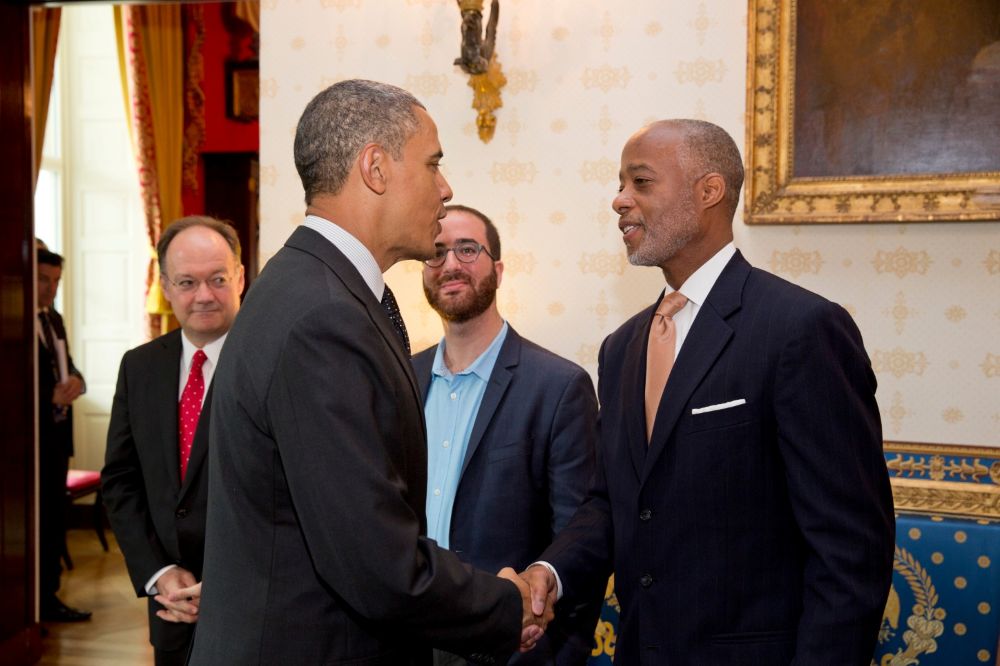
Norman was presence. He was depth. He was kind, humble, thoughtful and incredibly generous with his time. He had a way of being that made you want to rise.
For the nearly 20 years I had the privilege of knowing him, he was not only my mentor; he was family. He served as the external examiner for my dissertation, and his work profoundly shaped my research on contemplative leadership, stress and wellbeing, and the work that I carry forward today. In many ways, I am because he was.
There was something about being in his presence that made you want to stand taller.
Around Norman, I wanted to think more clearly, to listen more deeply, to show up more fully, to become more of who I was meant to be. That is the quiet power of a true mentor.
But Norman’s life cannot be spoken of without Elizabeth.
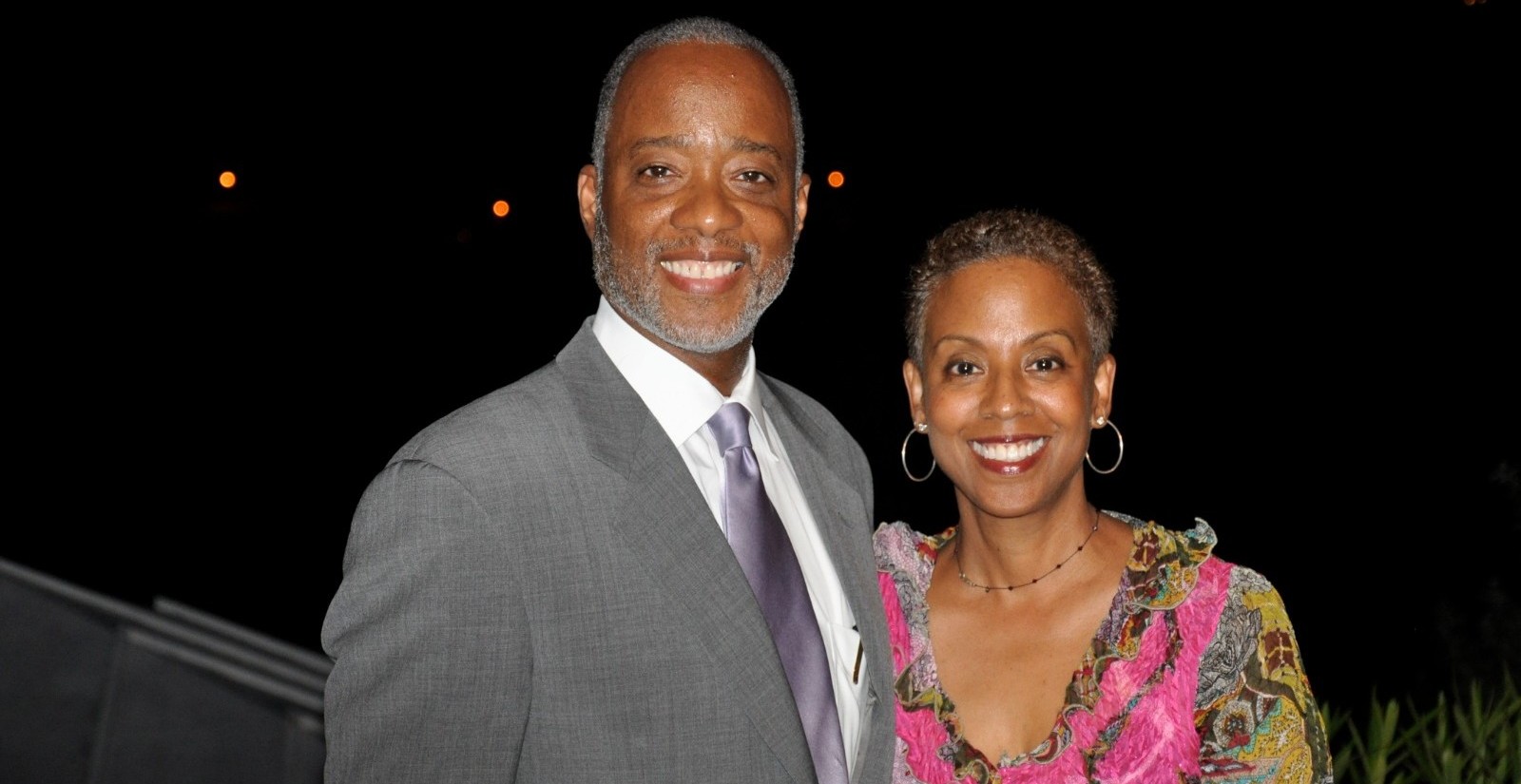
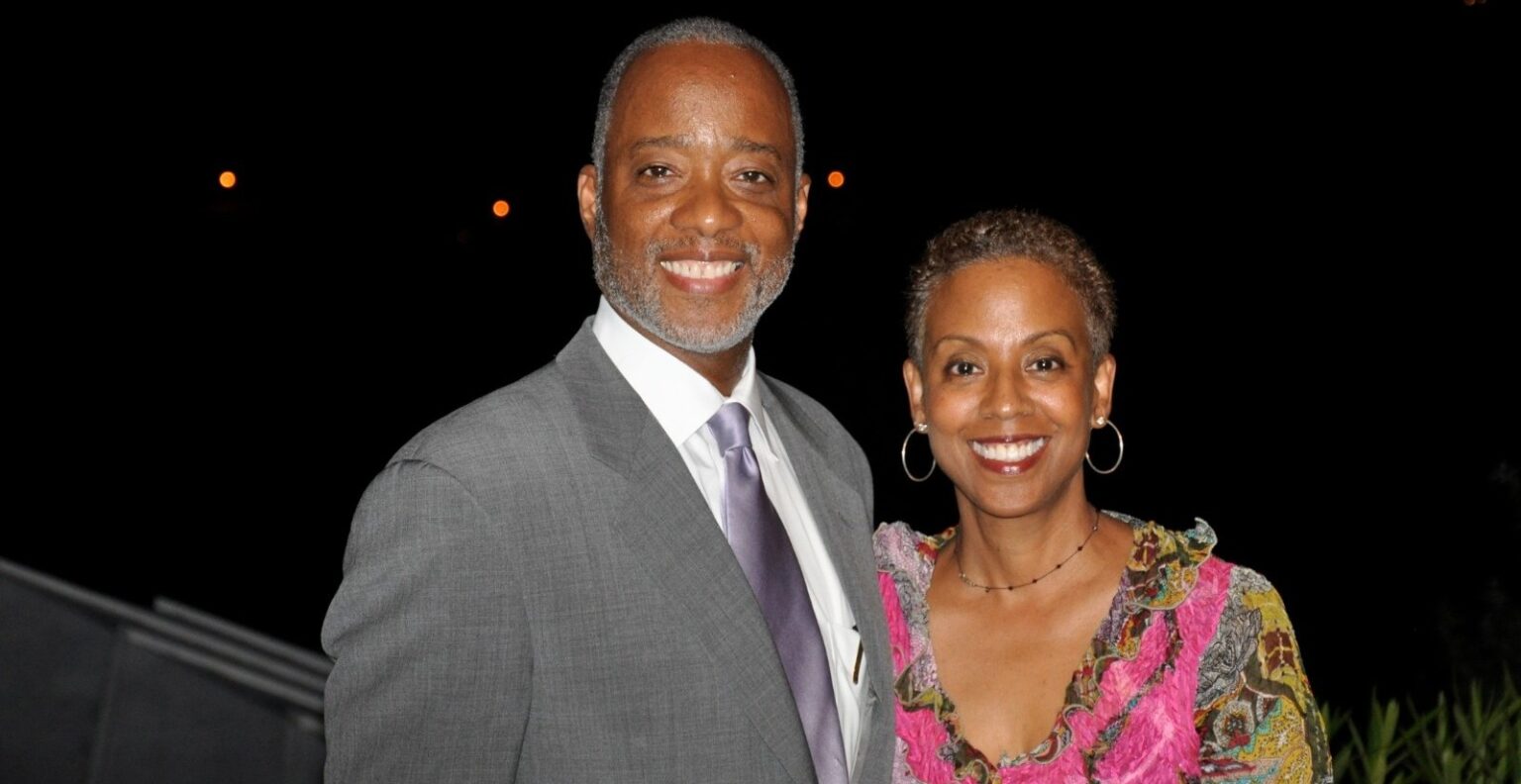
Elizabeth Anderson was his partner, his companion, his home, for thirty-seven years. Their love was steady and enduring, shaped over time through shared experience, attention, and devotion. They were, in every sense, a partnership; two lives woven together into something whole.
A Love Undivided.
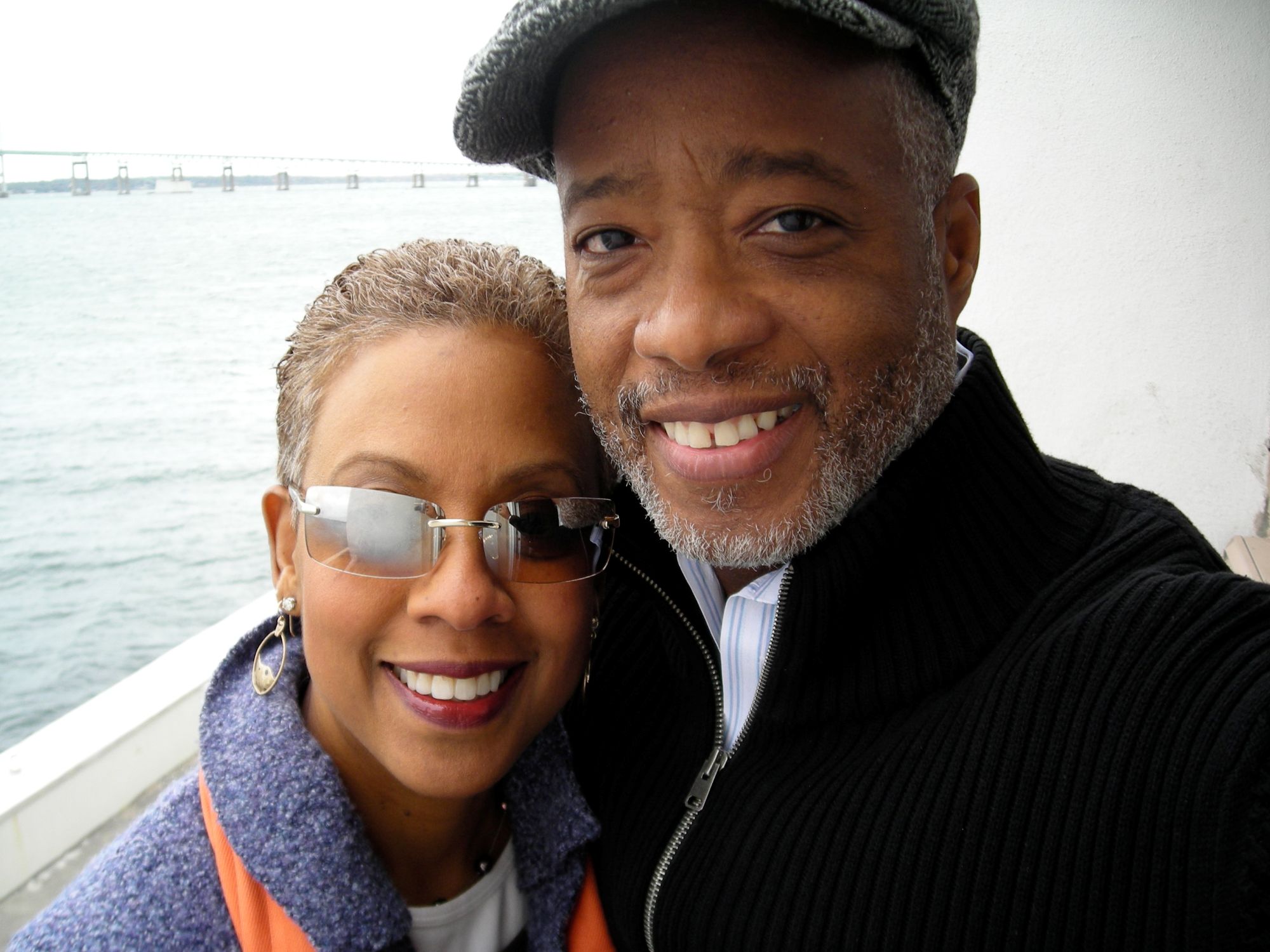
Norman’s passing came as a shock. What was expected to be a routine partial knee replacement, so that he could continue to enjoy golf and tennis, led to a surgical error and other complications that followed, which took him far too soon. His loss created a profound void, not only for those who loved him, but across the academic and social science community. We did not only lose a scholar; we lost an incredible human being. For Elizabeth, that loss was immeasurable.
To lose a partner of nearly four decades is to have the ground beneath you shift entirely. It is not simply grief; it is a reordering of existence. Knowing Elizabeth as I did, she would ask for understanding, for curiosity, not judgment.
Over the past two years, she reflected deeply and quietly. She did her best to draw strength from her Buddhist practice. She also studied rational suicide, a term used to describe the idea that a person might make a deliberate, reasoned decision to end their own life, rather than acting impulsively or because of a treatable mental illness. It is not easily defined, nor is it something I fully understand.
Many of us accept that those facing terminal illness and profound suffering may wish to choose how their lives end, to die with dignity. For Elizabeth, her grief itself felt “terminal”. She felt “mortally wounded” by Norman’s avoidable death. She was clear that her life did not have meaning without Norman and she could not imagine a world without him. She made the “rational” decision to take preemptive measures, to control her end.
I do not pretend to fully understand rational suicide. I am still grappling with this, but as Elizabeth would have wanted, I am keeping an open mind and I invite you to do the same.
I will not judge her.
I loved her.
We bickered, disagreed, we laughed, we cried together, we were family.
What remains now is an immense void.
This March marks two years since Norman’s passing. Now, in a way that feels both heartbreaking and strangely complete, Elizabeth has joined him.
Two bright lights.
Kindred souls.
Together again.
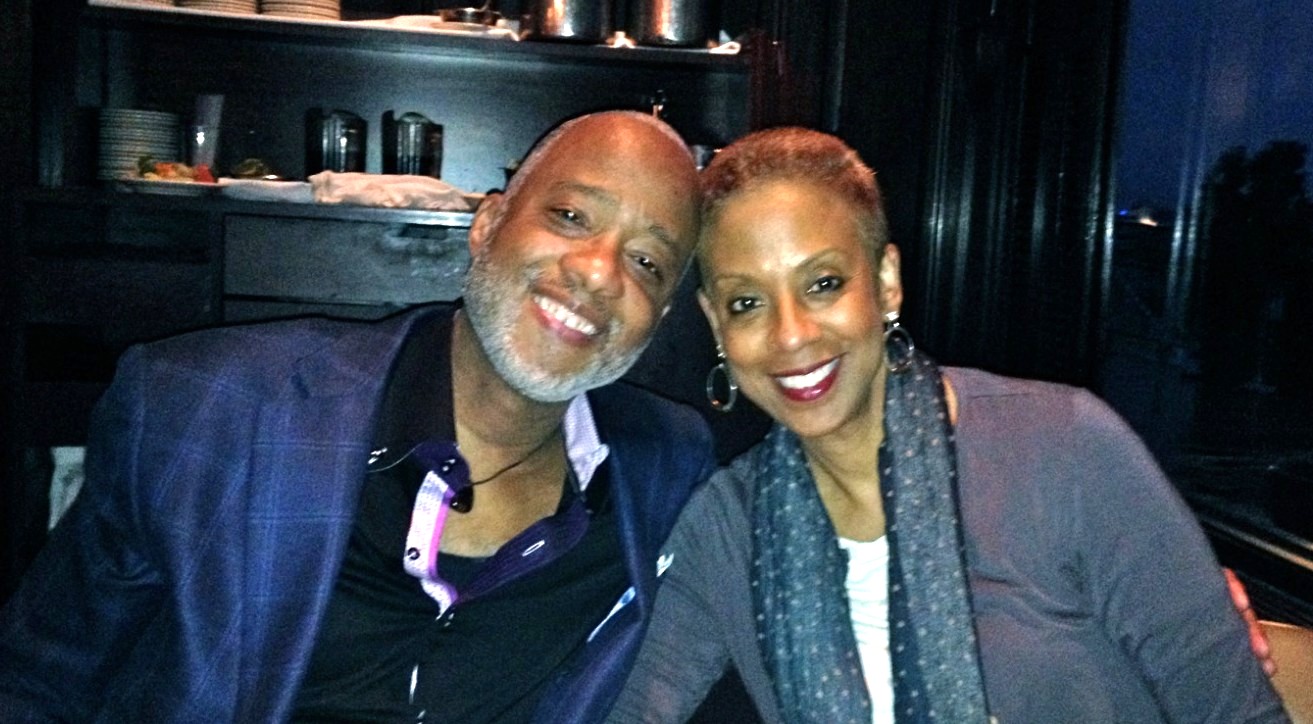
A love story that does not end here.
They lived with deep care and generosity. Norman’s legacy endures in history, in the students he mentored, in the scholarships that bear his name, and in the many lives shaped by his influence. Elizabeth’s legacy lives on through the causes she championed, especially her unwavering commitment to animal welfare and sanctuary.
Their lives remind us what matters: purpose, courage, devotion, love.
They leave us with an invitation:
to live fully;
to love deeply;
to devote your life to your calling.
After Norman passed, Elizabeth would often say, “Duke Medical Center killed two people.” This is not an indictment, but an acknowledgment of how a single moment changed the course of their lives forever.
Norman changed my life. And I know he changed so many others. More than ever, I am devoted to this work: to researching, to elevating conversations on contemplative leadership, to addressing workplace stress and burnout, and to carrying forward the kind of curiosity, scholarship, humanity, and presence that he embodied.
His name deserves to be remembered. His contributions deserve to be honored. And Elizabeth, her love, her devotion, her advocacy for animals, these too deserve to be held. And as an animal rights advocate myself, I am also committed to honoring Elizabeth’s legacy.
Elizabeth would want people, at the very least, to be willing to engage this conversation; to confront the stigma surrounding rational suicide with honesty, openness, and compassion. She never advocated that anyone should take their life. She was deeply compassionate toward those who were suicidal, but she believed that rational suicide, despite its controversy, should not be dismissed but courageously engaged, including in circumstances that extend beyond physical illness.
As Elizabeth would want, I invite you to have a conversation with family, friends, colleagues, fellow social scientists, and mental health professionals about rational suicide.
May they rest in peace.
May their legacy endure.
May we carry forward the light they brought into this world.
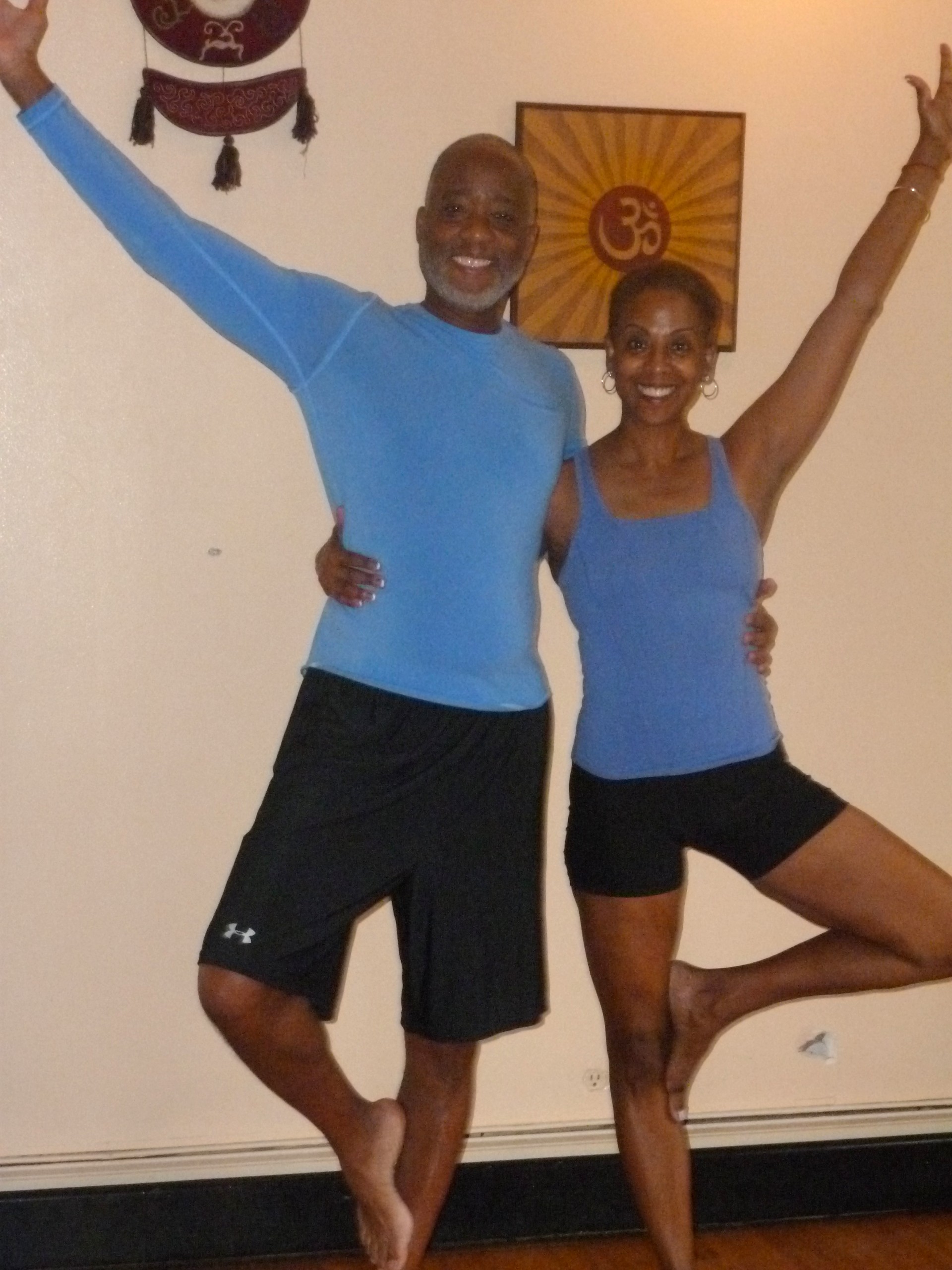
With immense gratitude.
For the privilege of knowing them, loving them, and being shaped by their presence.
Thulani DeMarsay, PhD